
Enhancing Operations with Digital Twins and Property Documentation

Understanding Digital Twins and Property Documentation
Digital twins are virtual models of physical assets, systems, or processes. They mirror real-world conditions in real time. This allows you to monitor, analyze, and optimize performance without being on-site.
Property documentation, especially as-builts, provides detailed records of a building or facility as it was actually constructed. These documents include drawings, specifications, and notes that reflect any changes made during construction.
Together, digital twins and property documentation give you a complete picture of your assets. You can see how things were built and how they currently operate.

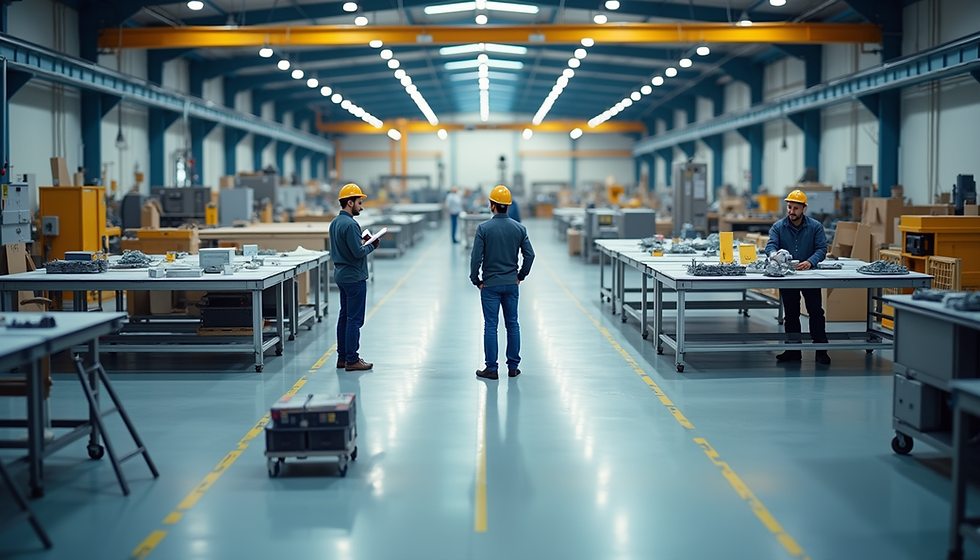
Digital twin model of an industrial plant showing real-time data and layout
How Lean Principles Apply to These Tools
Lean principles focus on eliminating waste and improving flow. Waste can be anything that does not add value to the customer, such as waiting, errors, or unnecessary movement.
Using digital twins and accurate property documentation supports lean by:
Reducing errors: Accurate as-builts prevent mistakes during maintenance or upgrades.
Saving time: Digital twins allow remote monitoring and faster problem-solving.
Improving communication: Clear documentation and models help teams understand the asset better.
Supporting continuous improvement: Real-time data from digital twins helps identify inefficiencies.
By applying lean thinking, you focus on value and remove obstacles that slow down your processes.
Practical Examples of Products Supporting These Processes
To make these ideas concrete, I want to highlight two products that help integrate digital twins and property documentation with lean methods.
1. Digital Twin Software: TwinBuilder
TwinBuilder is a platform that creates digital twins for industrial plants and facilities. It connects with sensors and systems to provide real-time data and simulations. This helps teams predict failures, optimize operations, and plan maintenance efficiently.
Using TwinBuilder supports lean by reducing downtime and improving asset reliability. It also helps teams avoid unnecessary site visits, saving time and travel costs.
2. Property Documentation Service: As-Built Solutions
As-Built Solutions offers detailed property documentation services, including 3D laser scanning and CAD drawings. Their accurate as-builts reflect the true state of your facility, which is essential for renovations, compliance, and maintenance.
Having precise documentation reduces rework and errors, key lean goals. It also speeds up decision-making by providing clear, trusted information.
Combining Digital Twins and As-Builts for Lean Success
When you combine digital twins with accurate as-builts, you create a powerful system for managing your assets.
The as-builts provide the foundation: a detailed, accurate record of the physical asset.
The digital twin adds a dynamic layer: real-time data and simulations.
Together, they enable better planning, faster problem-solving, and continuous improvement.
For example, if a plant engineer notices a performance drop, they can check the digital twin for real-time data and consult the as-builts to understand the physical layout. This reduces guesswork and speeds up repairs.

3D laser scanning device used for creating accurate as-built documentation
Lean Six Sigma and Continuous Improvement
Lean Six Sigma combines lean principles with a focus on reducing variation and defects. Digital twins and property documentation fit well into this approach.
Digital twins provide data for analysis, helping identify root causes of problems.
As-builts ensure that process improvements are based on accurate facility information.
Together, they support the DMAIC cycle (Define, Measure, Analyze, Improve, Control) by providing reliable data and documentation.
Using these tools, you can track improvements over time and maintain high standards.
Tips for Implementing These Tools with Lean Principles
If you want to get started, here are some practical tips:
Start with accurate as-builts: Invest in quality documentation to build a solid foundation.
Integrate digital twins gradually: Begin with critical assets or processes to see quick benefits.
Train your team: Make sure everyone understands how to use these tools and lean principles.
Use data to drive decisions: Rely on real-time information and documentation to reduce guesswork.
Focus on value: Always ask how these tools help reduce waste and improve outcomes.

Team using digital twin data to improve facility management and maintenance
The Future of Asset Management
As technology advances, the integration of digital twins and property documentation will continue to evolve. This evolution will enhance how we manage assets, making operations more efficient and effective.
The future will likely see more automation in data collection and analysis. This will allow for even quicker decision-making and more proactive maintenance strategies.
By embracing these changes, I can stay ahead in the competitive landscape of manufacturing and construction.
Using digital twins and property documentation together creates a clear, accurate picture of your assets. When you apply lean principles, you reduce waste and improve efficiency. Products like TwinBuilder and As-Built Solutions can help you get there.
Start by ensuring your property documentation is up to date. Then, explore digital twin technology to add real-time insights. This approach supports continuous improvement and helps you manage your facilities with confidence.
Take the next step to improve your operations by combining these tools with lean thinking. The results will show in better performance, lower costs, and faster problem-solving.


Comments